

 Official Inquiry Hearing
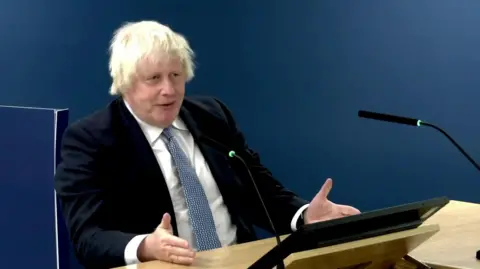
Children suffered a "significant price" to protect others during the Covid crisis, the former prime minister has stated to the investigation examining the impact on youth.
The former leader echoed an expression of remorse delivered before for things the administration mishandled, but remarked he was proud of what educators and schools did to cope with the "extremely tough" circumstances.
He pushed back on previous suggestions that there had been no plans in place for shutting down learning institutions in early 2020, saying he had assumed a "significant level of deliberation and planning" was at that point applied to those judgments.
But he explained he had also desired learning facilities could continue operating, describing it a "dreadful notion" and "individual dread" to close them.
Previous Testimony
The investigation was told a plan was just developed on March 17, 2020 - the day prior to an statement that learning centers were closing down.
The former leader stated to the proceedings on that day that he accepted the concerns around the lack of preparation, but commented that implementing adjustments to schools would have required a "significantly increased state of awareness about the pandemic and what was expected to happen".
"The rapid pace at which the disease was progressing" made it harder to plan for, he continued, stating the primary priority was on trying to prevent an "devastating health situation".
Disagreements and Assessment Results Fiasco
The inquiry has furthermore been informed before about several conflicts involving administration officials, for example over the decision to shut schools again in 2021.
On Tuesday, the former prime minister informed the inquiry he had wanted to see "widespread testing" in educational institutions as a method of ensuring them open.
But that was "never going to be a viable solution" because of the recent coronavirus strain which emerged at the same time and sped up the spread of the disease, he said.
Among the biggest problems of the outbreak for the authorities occurred in the test scores fiasco of August 2020.
The education administration had been compelled to go back on its use of an formula to determine grades, which was designed to stop elevated scores but which conversely resulted in forty percent of predicted grades lowered.
The public reaction led to a reversal which meant learners were ultimately given the scores they had been expected by their educators, after GCSE and A-level exams were cancelled previously in the time.
Considerations and Future Pandemic Planning
Mentioning the assessments fiasco, hearing advisor proposed to Johnson that "the entire situation was a disaster".
"If you mean the pandemic a catastrophe? Absolutely. Did the deprivation of schooling a disaster? Absolutely. Did the cancellation of tests a catastrophe? Absolutely. Were the frustrations, anger, frustration of a considerable amount of kids - the additional frustration - a catastrophe? Absolutely," the former leader said.
"But it must be considered in the framework of us striving to cope with a much, much bigger disaster," he continued, referencing the absence of education and assessments.
"Overall", he commented the learning authorities had done a rather "brave effort" of striving to manage with the pandemic.
Afterwards in the day's testimony, Johnson stated the lockdown and social distancing guidelines "possibly were excessive", and that young people could have been excluded from them.
While "with luck such an event does not happens once more", he said in any future future pandemic the closing down of schools "really ought to be a measure of final option".
The current session of the Covid investigation, looking at the impact of the pandemic on young people and adolescents, is due to end soon.


